
Fewer no-cool surprises
Maintenance helps catch weak capacitors, pitted contactors, loose wiring, and clogged drains before they stop the system on a hot day.
Serving Tucson, Arizona & surrounding areas
24/7 Emergency Response
HVAC maintenance service · Tucson, Arizona
Seasonal tune-ups that keep your system steady in the Sonoran heat, reduce surprise breakdowns, and catch safety issues before they become expensive problems.
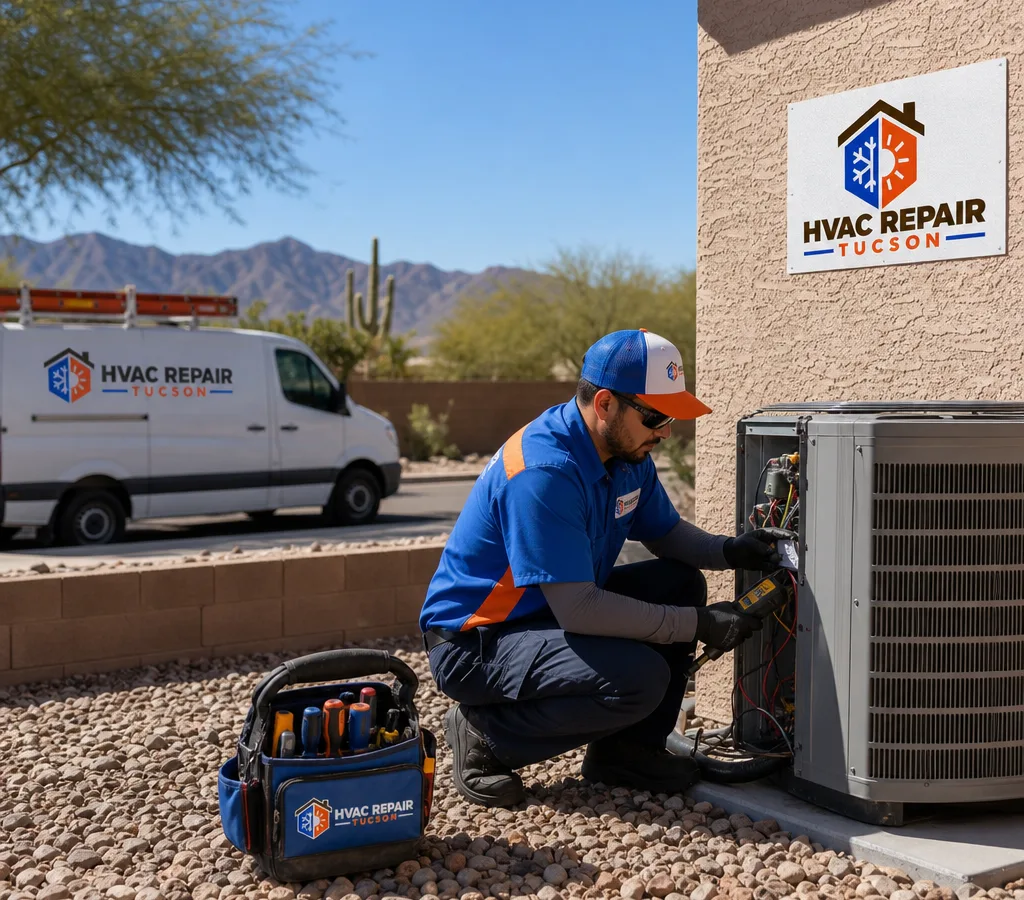
Preventive residential HVAC maintenance for Tucson conditions
If you are searching for HVAC maintenance Tucson homeowners can count on, the goal is simple: keep your air conditioner and heating system running safely and reliably when you need them most. Tucson's long, hot cooling season and dusty conditions put extra stress on coils, fans, capacitors, and filters. Small issues that are easy to correct during a tune-up can turn into a no-cool call during the next heat wave.
HVAC Repair Tucson performs maintenance focused on real-world reliability: cleaning and inspection where it matters, electrical and refrigerant checks, airflow testing, and controls verification. You get clear notes on what we found, what is wearing out, and what can wait.
Many customers schedule maintenance twice a year: a spring AC tune-up ahead of peak cooling demand and a fall heating check before nighttime temperatures drop. If you have a heat pump, that same seasonal plan still makes sense because the system runs year-round.
A complete seasonal check
A good tune-up is more than a quick filter swap. It is a structured inspection and performance check that targets the parts that fail most often in extreme heat.
Typical HVAC maintenance steps include:
You will also get practical recommendations that match Tucson homes, like when it is worth stepping up filtration during dustier months, or when a dirty coil is likely tied to landscaping debris around the condenser.
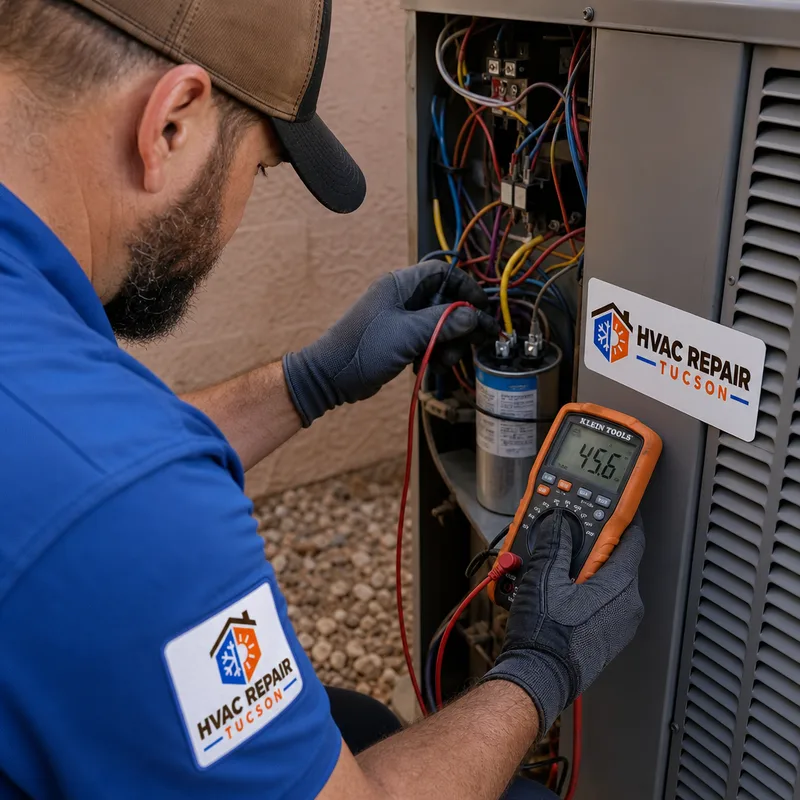
Prevent problems early
Maintenance helps catch weak capacitors, pitted contactors, loose wiring, and clogged drains before they stop the system on a hot day.
Coil condition, airflow, and fan performance have a direct effect on how hard the system has to work. A tune-up targets the real restrictions.
Motors that run hot, low airflow, and dirty coils add wear. Correcting those conditions reduces strain on major components.
If your home has gas heat, seasonal checks help identify venting concerns, ignition problems, and other issues that should be addressed before regular use.
Filter fit, blower cleanliness, and drain health can all affect dust and humidity control, especially during monsoon season when indoor moisture can climb.
Inspection through clear findings
A structured visit checks indoor and outdoor components, verifies performance, and leaves you with practical next steps.
We start with what you are noticing: uneven rooms, short cycling, unusual noise, odors, or higher bills. That context helps us prioritize the right checks.
We inspect the air handler or furnace area, verify filter setup, check the blower compartment where accessible, and look for airflow restrictions that can overheat equipment.
We evaluate condenser condition, clean when appropriate, and test electrical components that commonly fail in high-heat operation, including the contactor, capacitor, connections, and amp draw.
We confirm the system starts, runs, and shuts down correctly, and we check operating readings that indicate whether the unit is moving heat effectively.
You get a straightforward summary: what we serviced today, what needs attention soon, and what items to plan for later. If repair makes sense, we can outline options and timing.
Maintenance for desert conditions
Dust and debris are a constant in the desert, and they show up as clogged filters, dirtier blower compartments, and condenser coils packed with fine buildup. If your outdoor unit sits near gravel, plants, or a wall that blocks discharge air, the coil can load up faster and head pressure can rise.
Monsoon season adds another variable. When humidity spikes, a healthy condensate drain becomes more important, and your AC has to remove more moisture from indoor air. A partially restricted drain or a failing condensate safety switch can shut the system down when you need it.
Housing styles vary around Tucson, so maintenance priorities can shift by home type. Older ductwork or attic insulation issues can show up as low airflow or hotter supply temperatures. Townhomes and tightly spaced lots can have condensers placed in hotter microclimates with less airflow around the unit. During maintenance, we note these practical constraints so you can decide whether you want to address them now or plan improvements.
If you also need help with urgent issues between tune-ups, Tucson HVAC repair is available so you are not stuck waiting when comfort is on the line.
Tune-up cost guidance
HVAC maintenance in Tucson typically runs about $99 to $249 per system for a standard seasonal tune-up, depending on system type, accessibility, and how much cleaning is needed. A basic check on an easy-to-access split system is usually on the lower end, while larger systems, heat pumps, or heavier coil cleaning trend higher.
Final pricing depends on the number of systems, attic or rooftop access challenges, filter type, condition of coils and drain lines, and whether testing points are readily accessible. The exact cost is confirmed after we see your setup and scope at the service visit.
★★★★★
“We booked spring maintenance before the first big heat spell. They found a weak capacitor and a partially clogged drain line and took care of it on the spot. The system has been running smoother and we feel better going into summer.”
Maria R.
★★★★★
“I appreciated the straightforward notes after the tune-up. They showed me the filter size I should be using and explained what to watch for with airflow in a couple rooms. No pressure, just clear information.”
Justin L.
Practical answers before service
Most Tucson homeowners schedule maintenance twice a year: spring for AC reliability before peak heat, and fall for heating safety and performance. If you run the system year-round, have pets, or deal with heavier dust, a more frequent filter routine and consistent seasonal tune-ups help keep airflow and coils in better shape.
Yes, because many common failures in high-heat operation start as small electrical or airflow issues that do not show up until the system is under heavy load. A maintenance visit can catch early capacitor weakness, contactor wear, dirty coils, or drain problems before they turn into a no-cool situation.
The most common maintenance findings are dirty condenser coils, clogged or partially restricted condensate drains, worn capacitors and contactors, loose electrical connections, and low airflow from filter or duct restrictions. Tucson's heat and dust make these issues show up faster than in milder climates.
A heat pump still needs regular maintenance because it runs in both cooling and heating modes and uses the same outdoor coil and many of the same electrical parts. Seasonal checks verify reversing valve operation, defrost behavior, airflow, and the components that tend to fail under heavy runtime.
Not automatically. Refrigerant is part of a sealed system, so low refrigerant usually indicates a leak that should be diagnosed and repaired rather than repeatedly topped off. During maintenance we check refrigerant-related performance and flag concerns, then recommend leak detection or repair if readings suggest a problem.
A standard maintenance visit typically takes about 60 to 90 minutes per system, depending on accessibility and cleaning needs. Attic units, rooftop access, heavy coil cleaning, or multiple systems can extend the visit time.
Plan ahead for reliable comfort
Tell us what type of system you have and what you have noticed recently. We will confirm a maintenance plan that fits your home, then document what we find so you can make smart decisions before breakdowns happen.